Zhuni

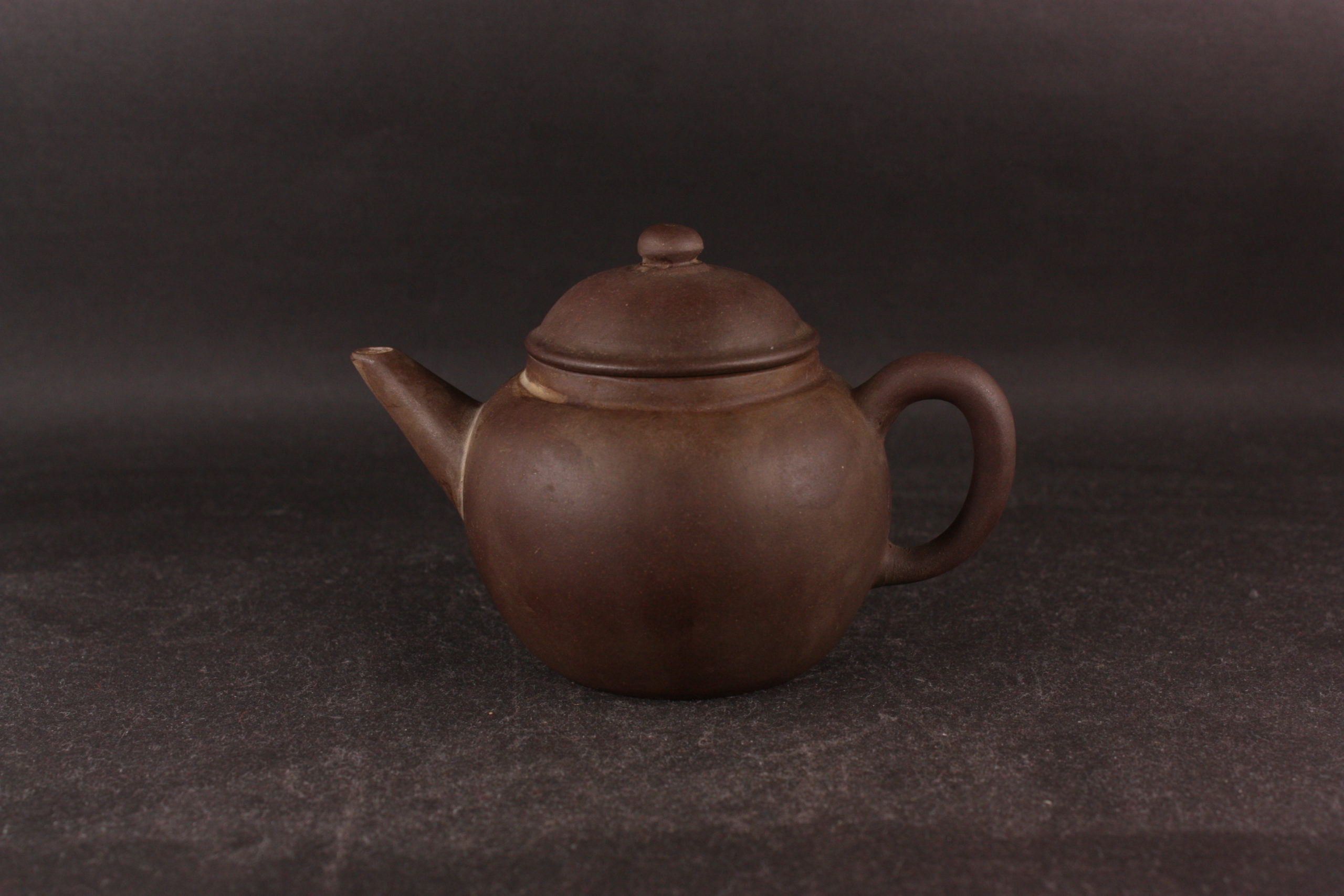
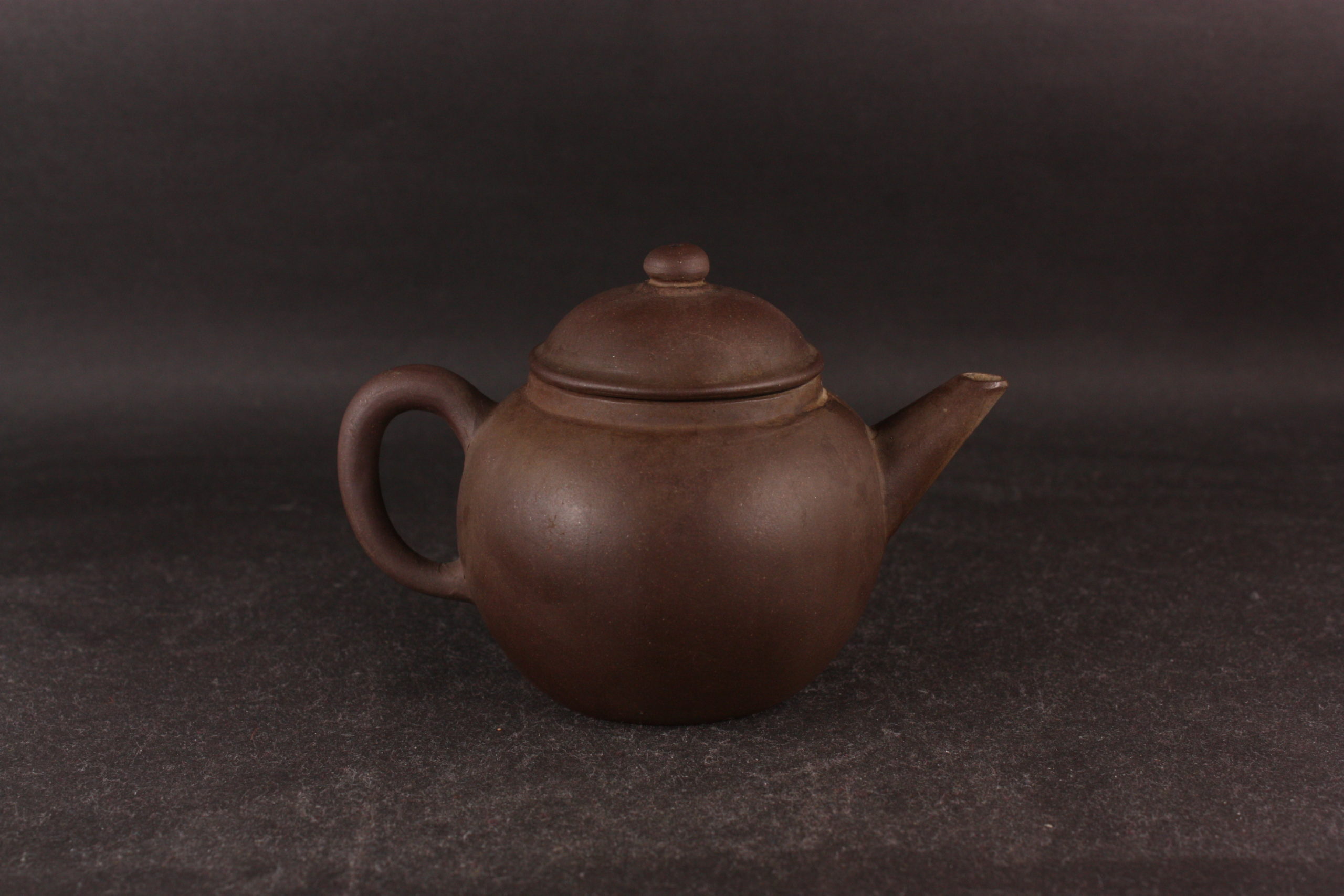
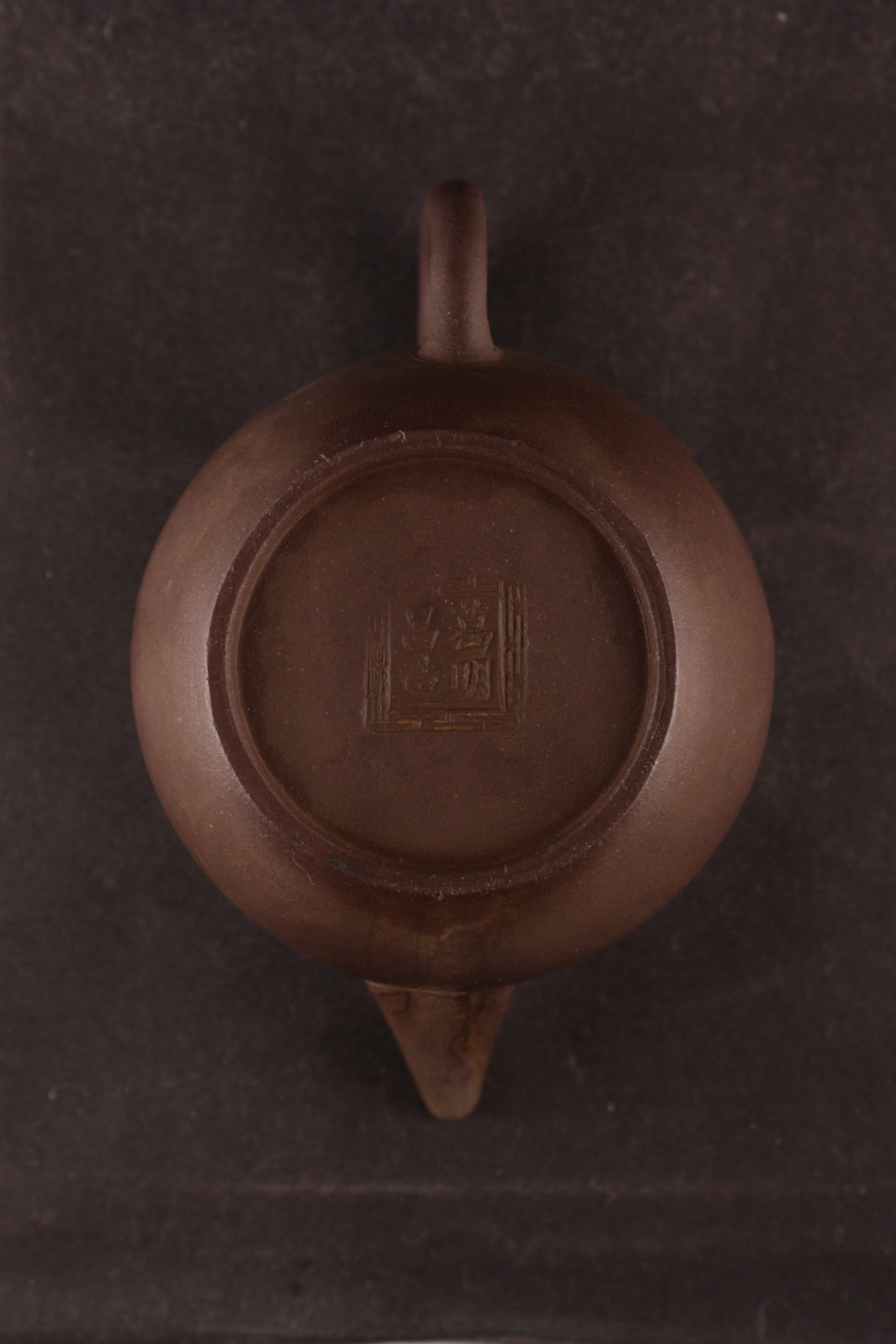
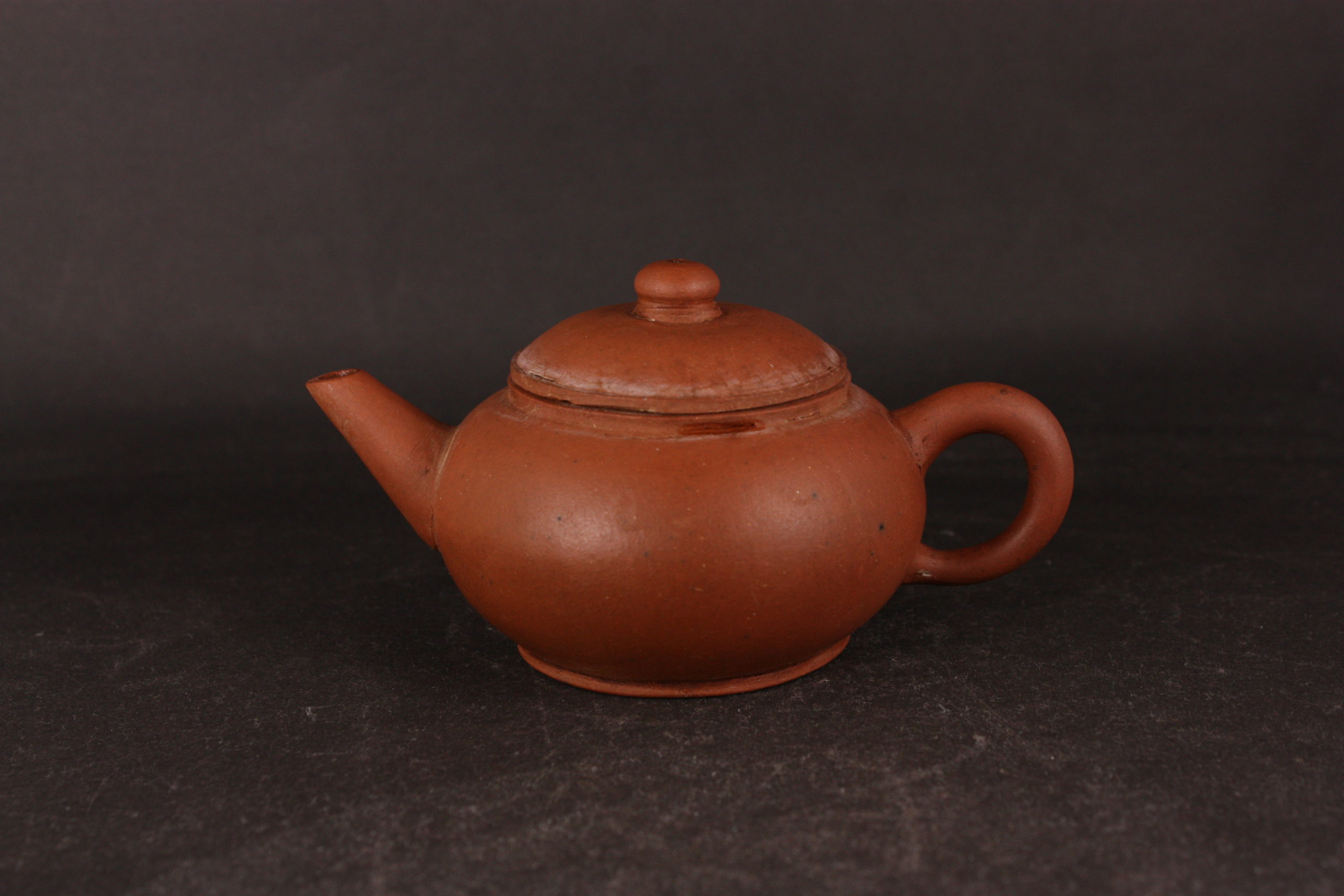
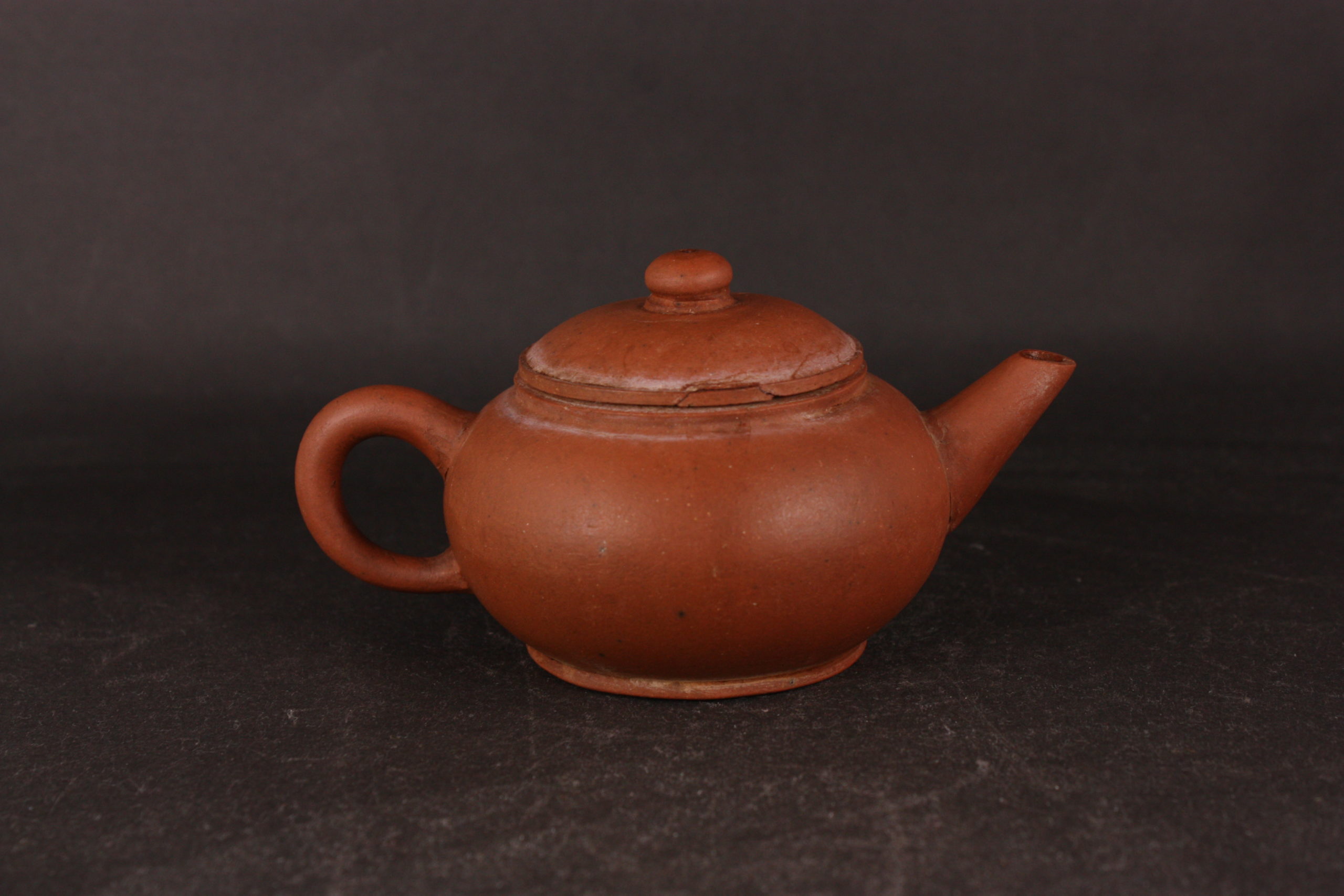
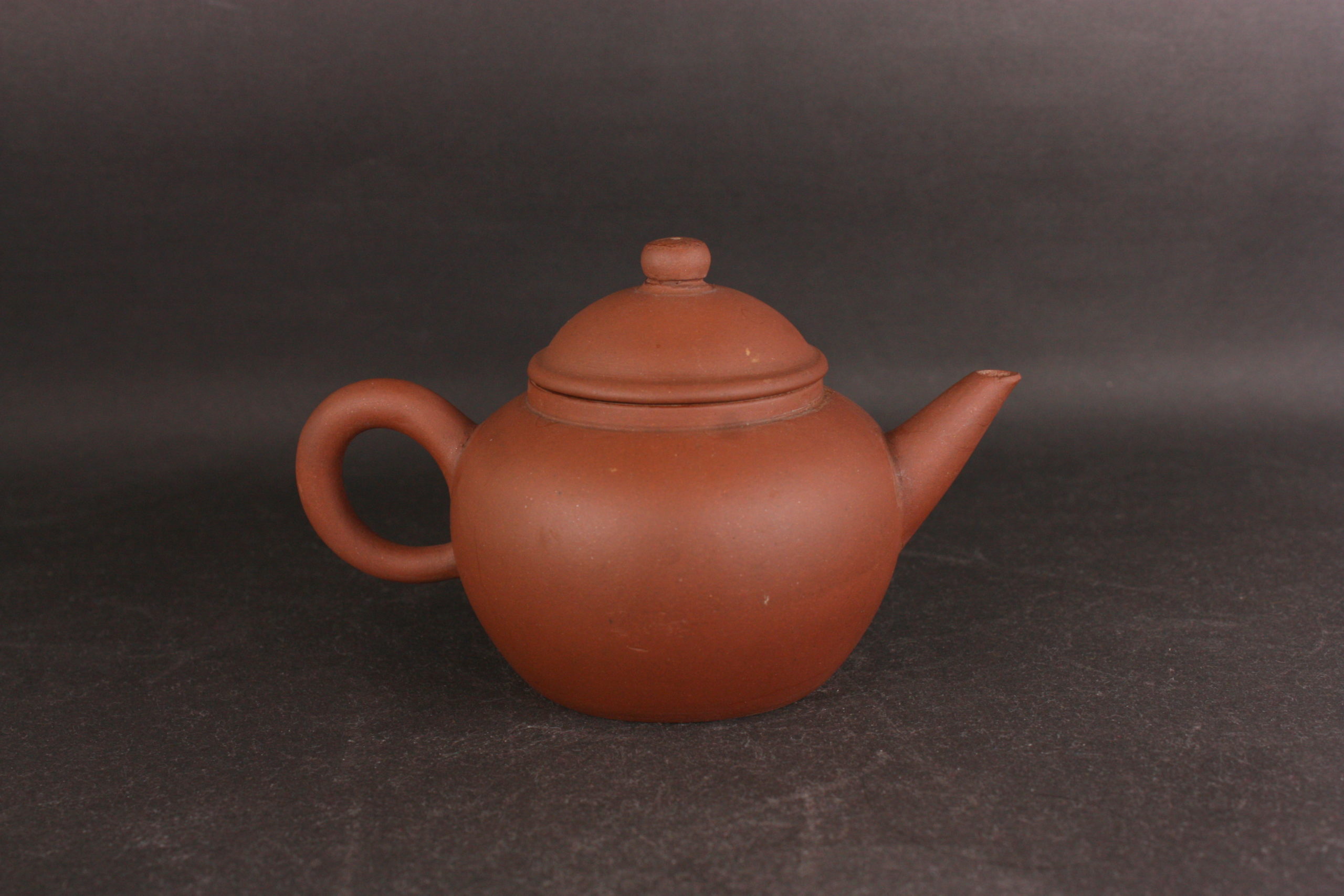
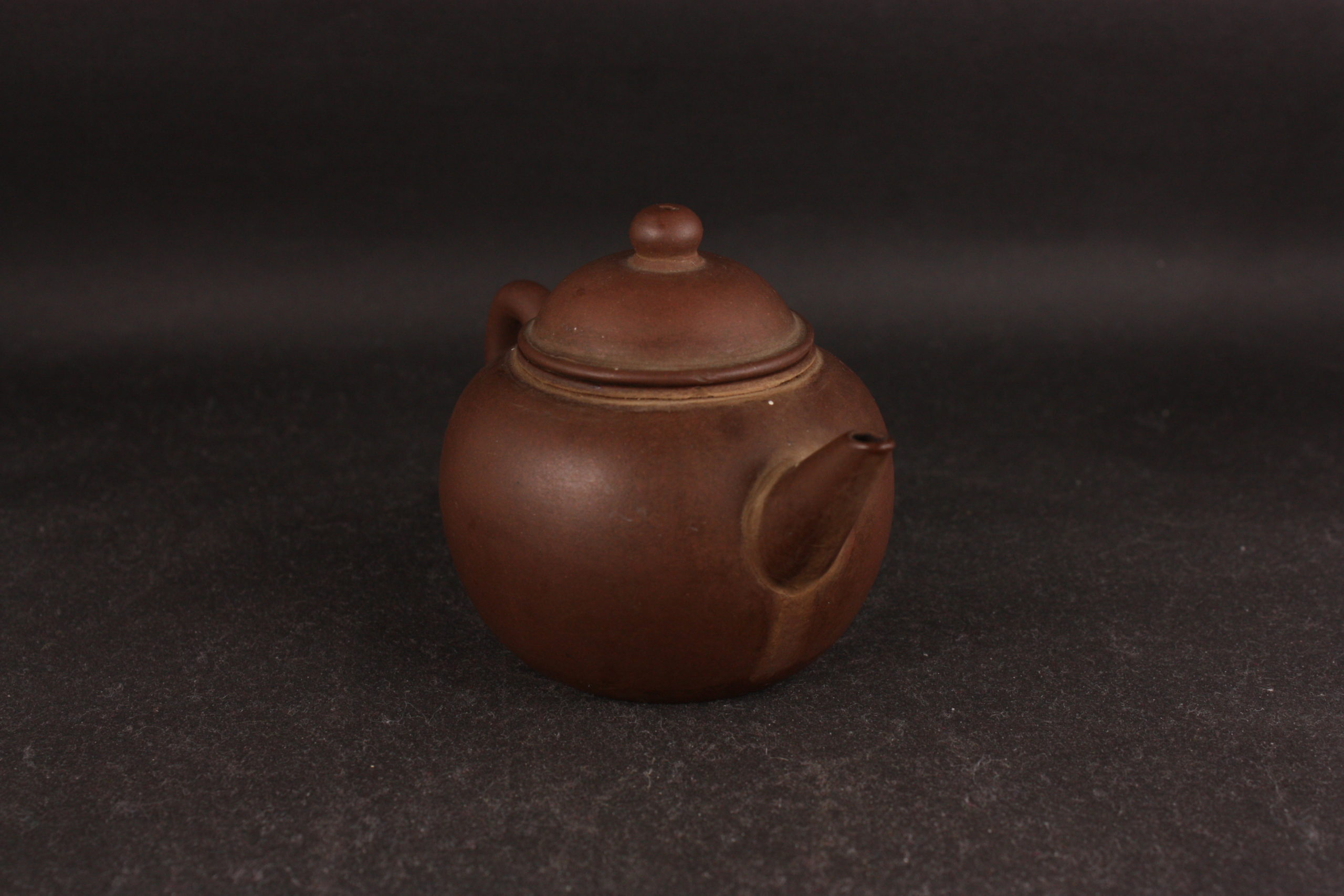
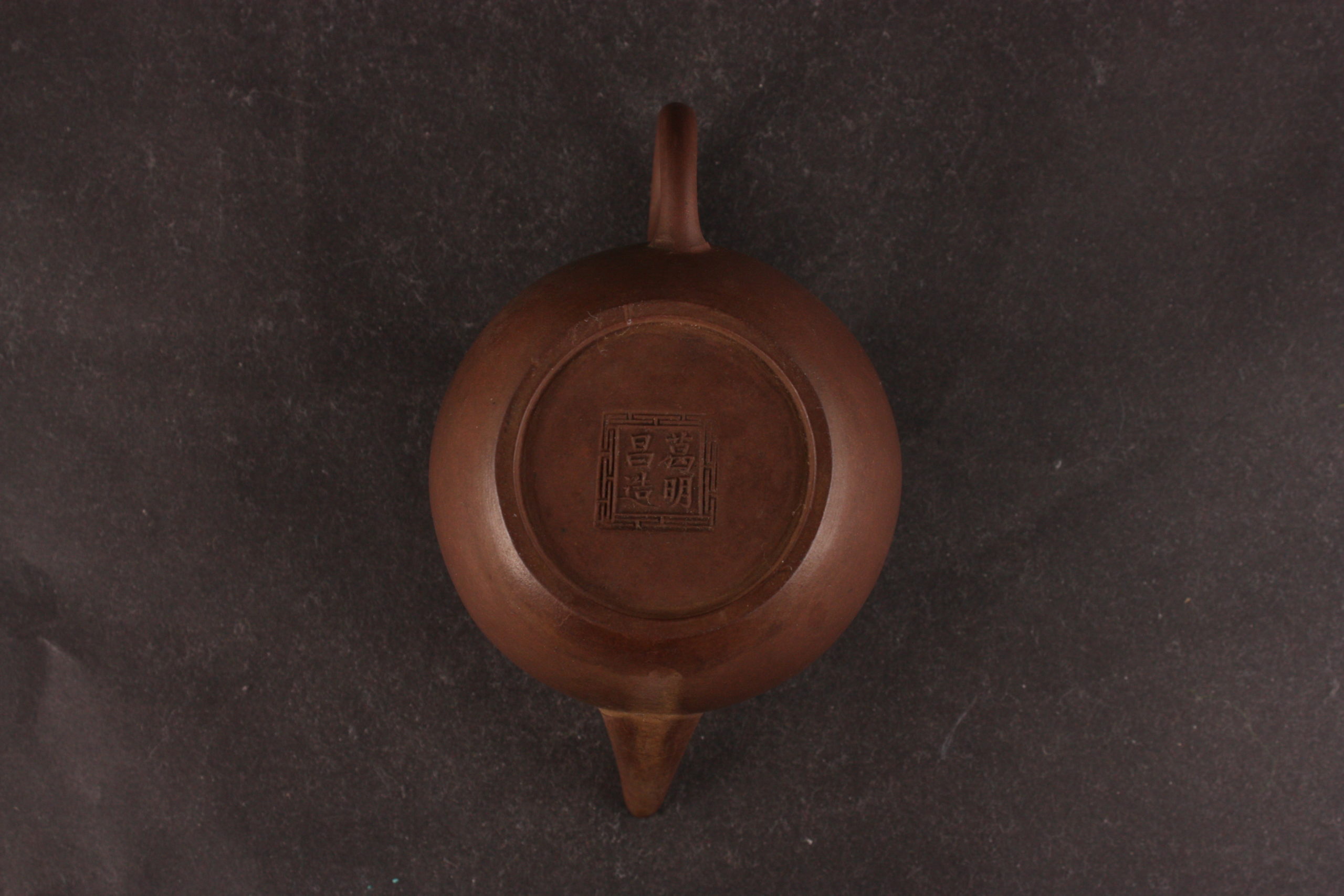
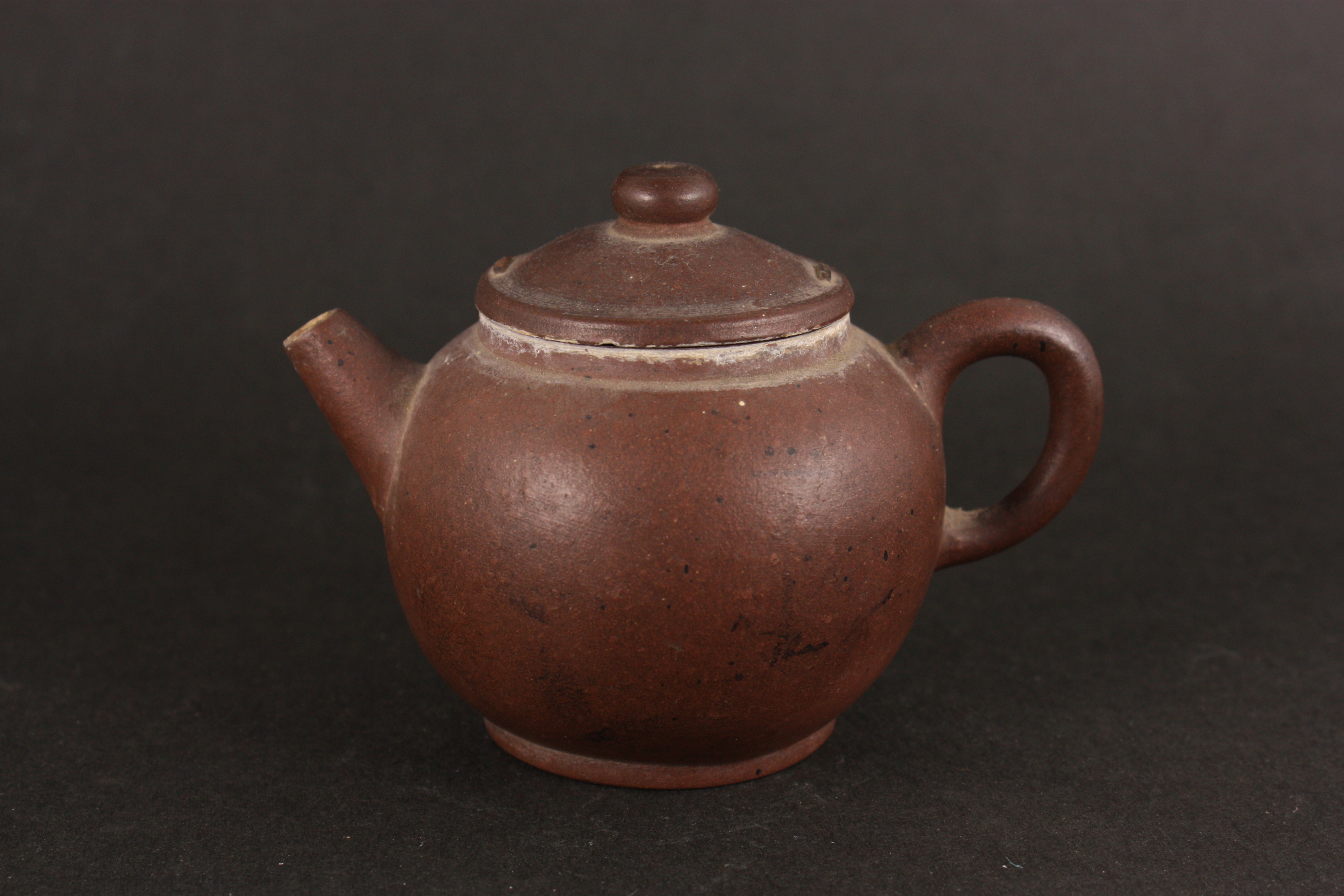
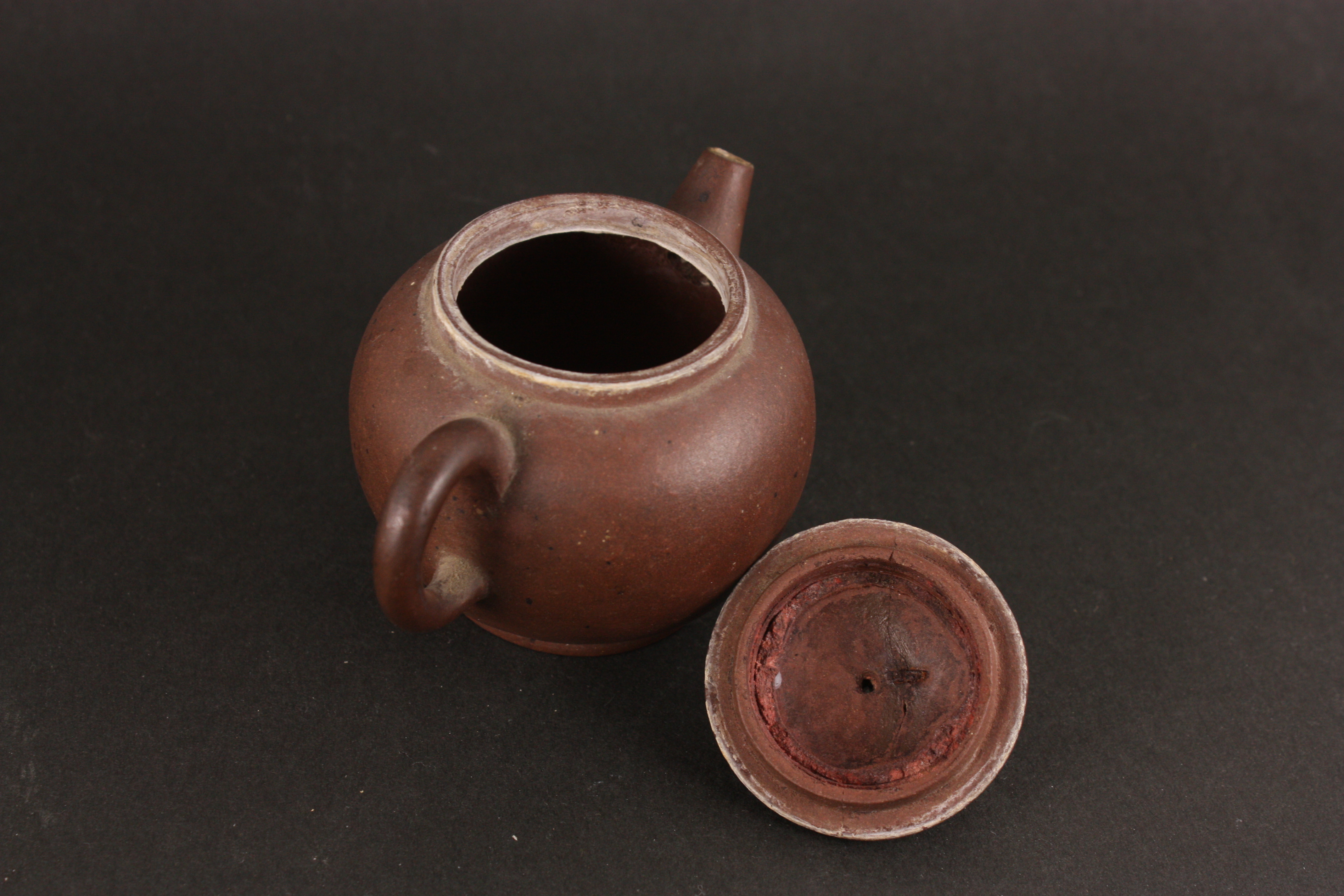
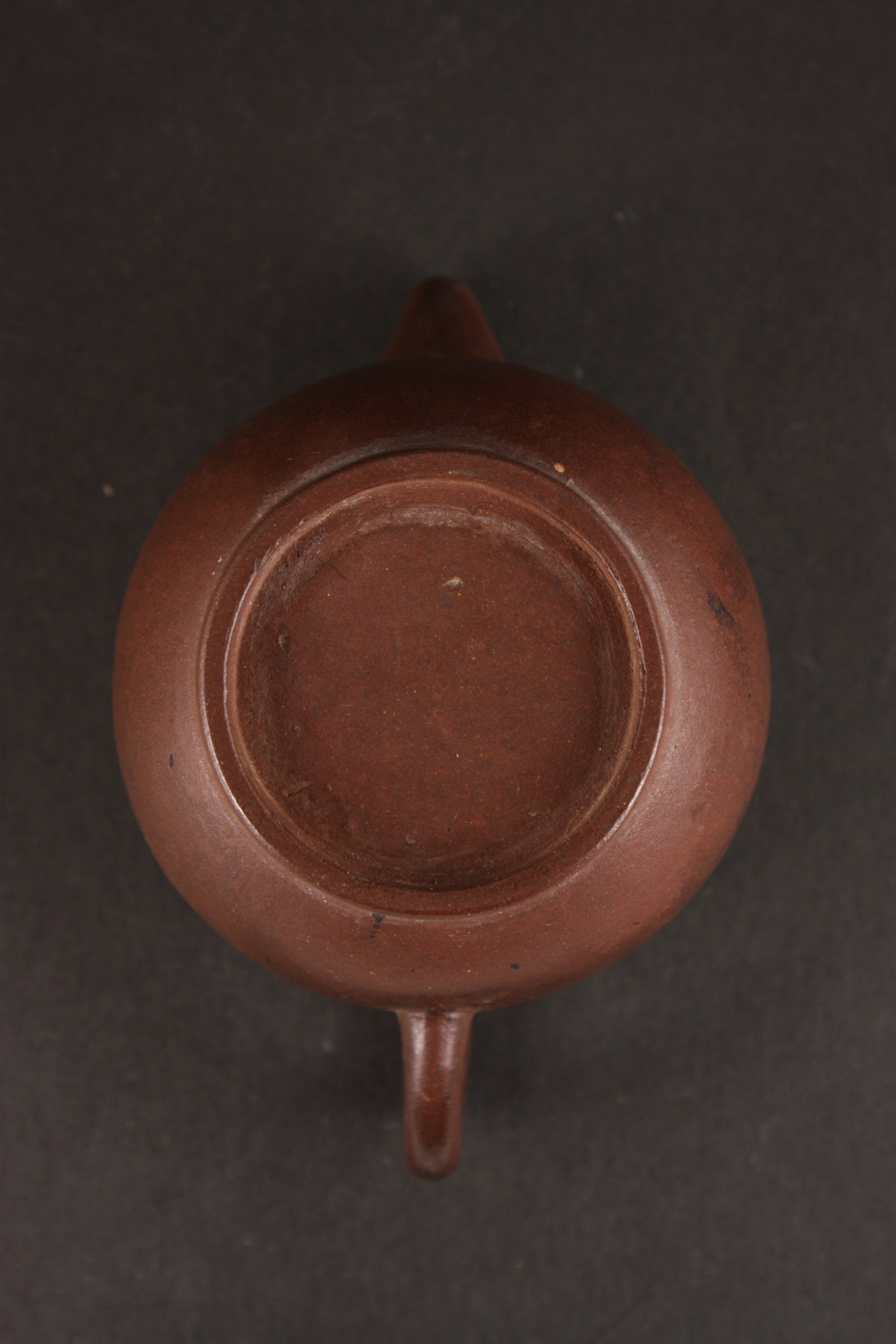
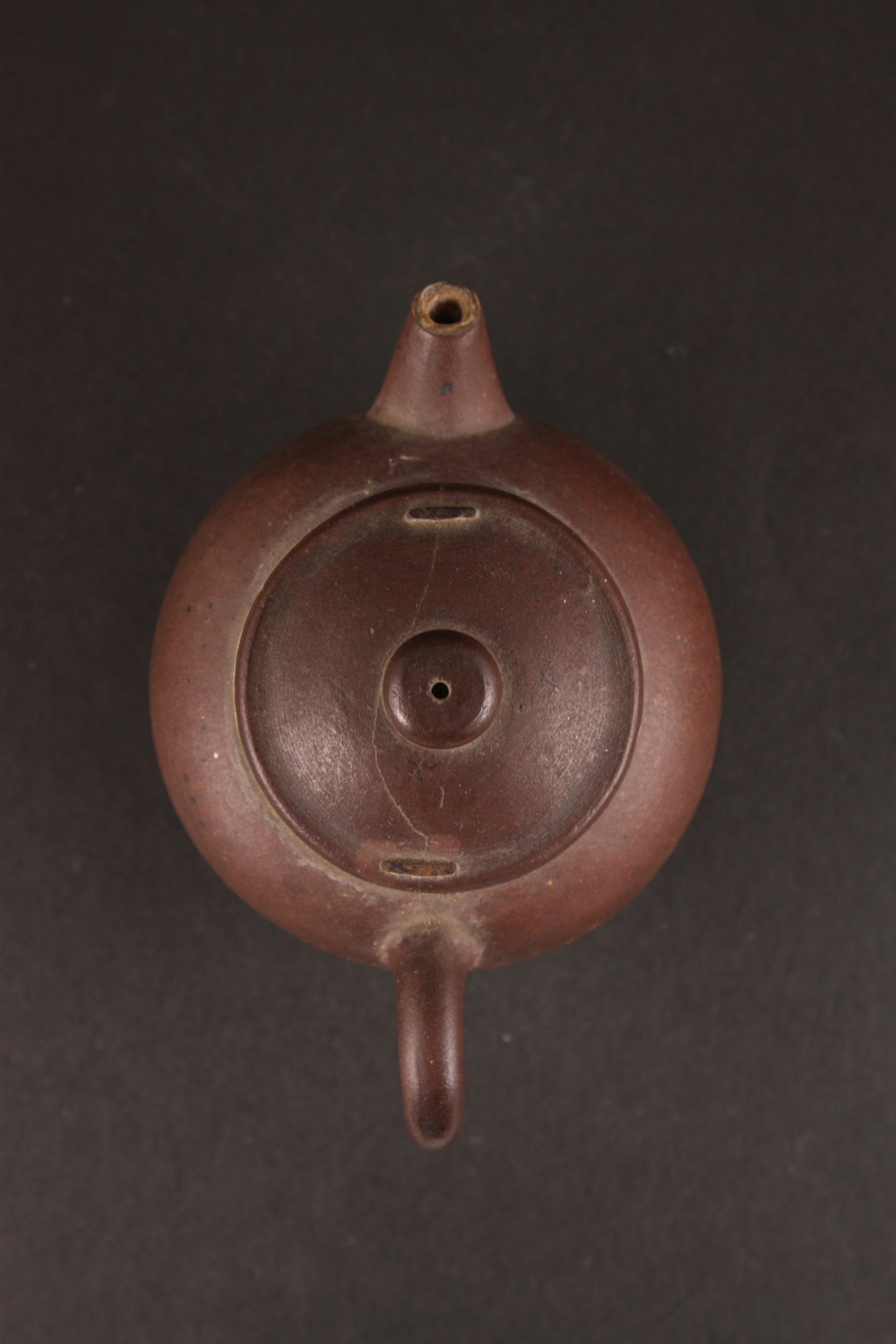
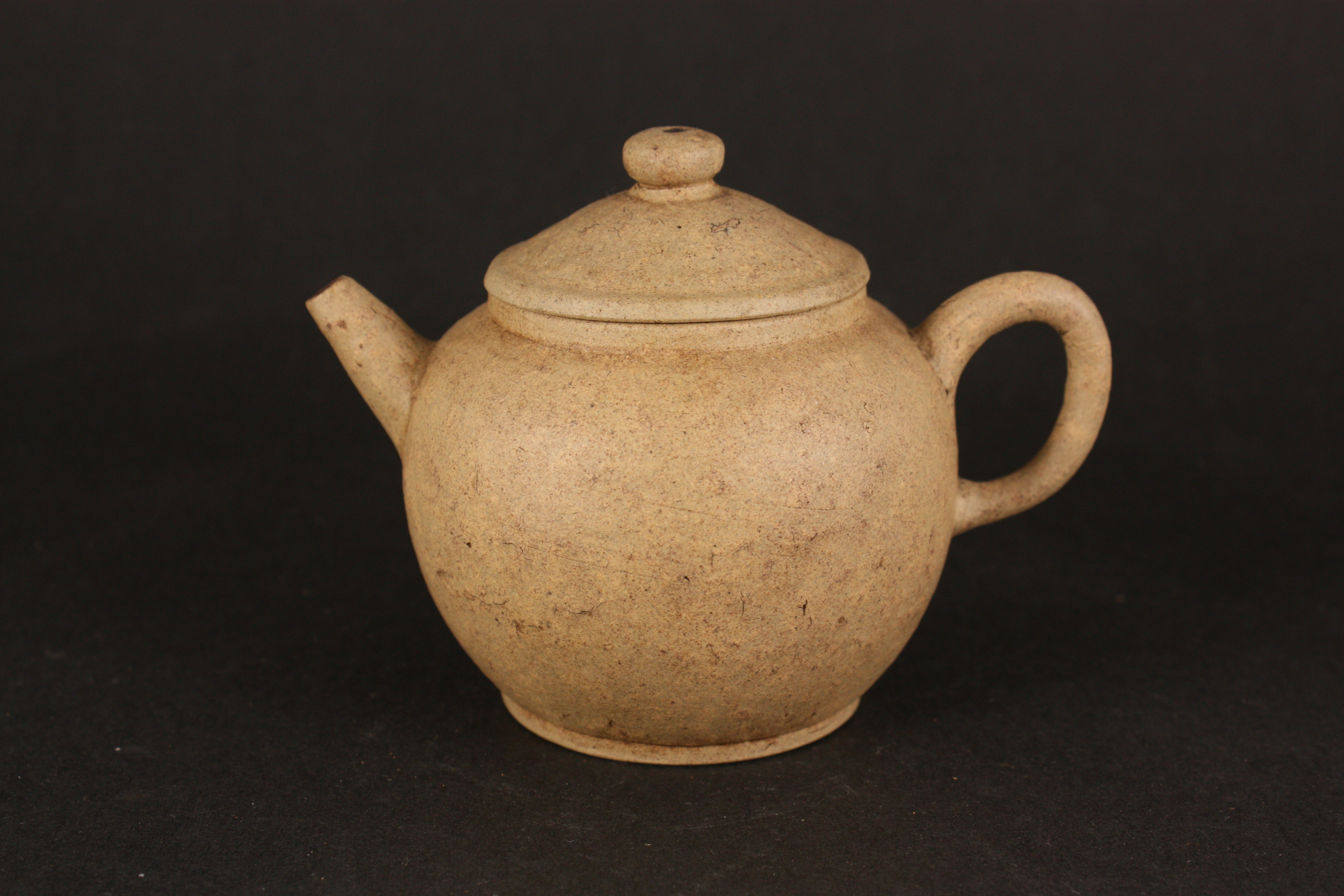
There’s a lot of discussion, everywhere, of what is zhuni and what is not. It’s quite easy to tell what isn’t, especially if you’ve seen enough of them, but what is, is harder to say. I think I am reasonably confident, however, in saying that this pot I bought not too long ago is, indeed, zhuni.

 photo IMG_8270.jpg

 photo IMG_8271.jpg

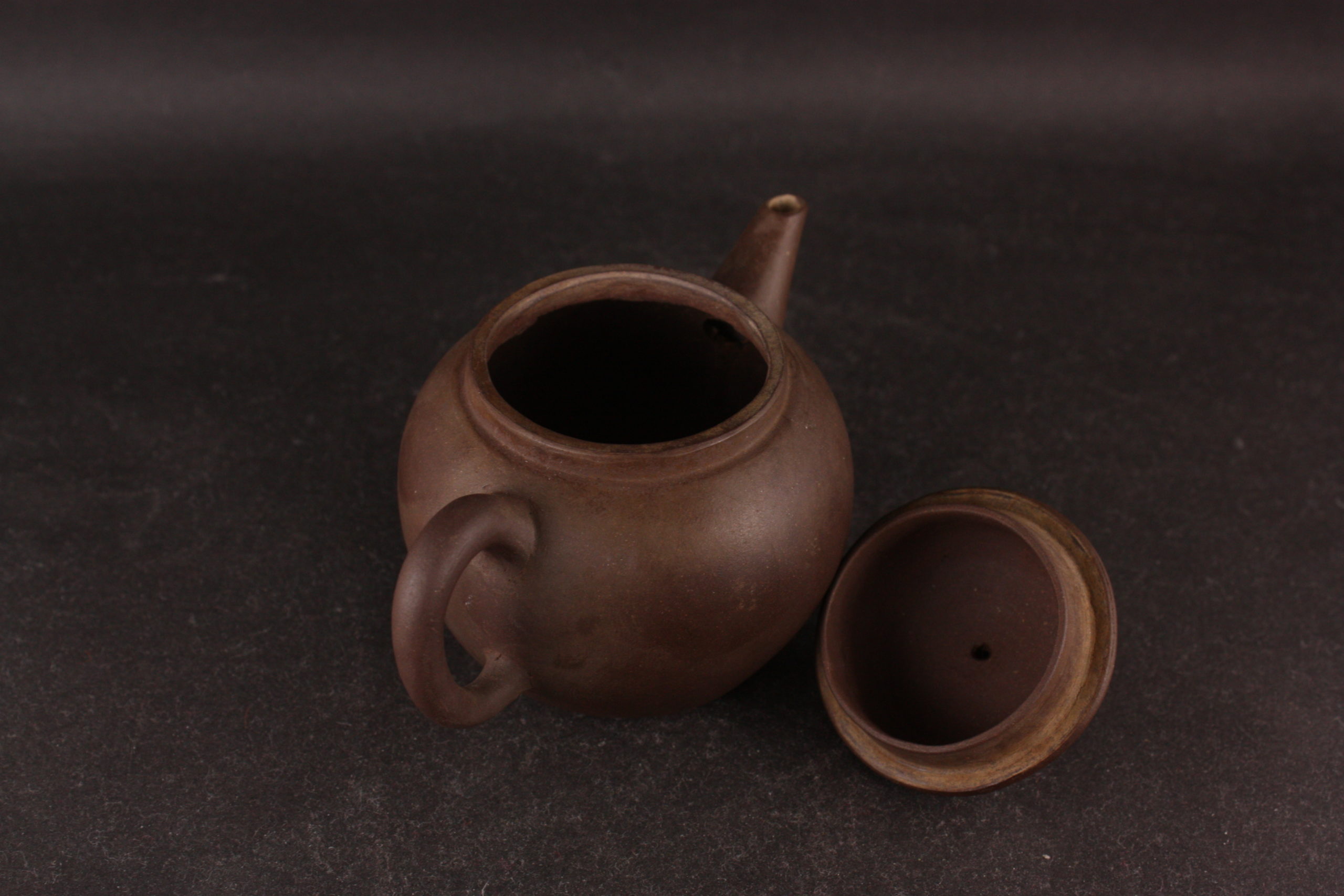
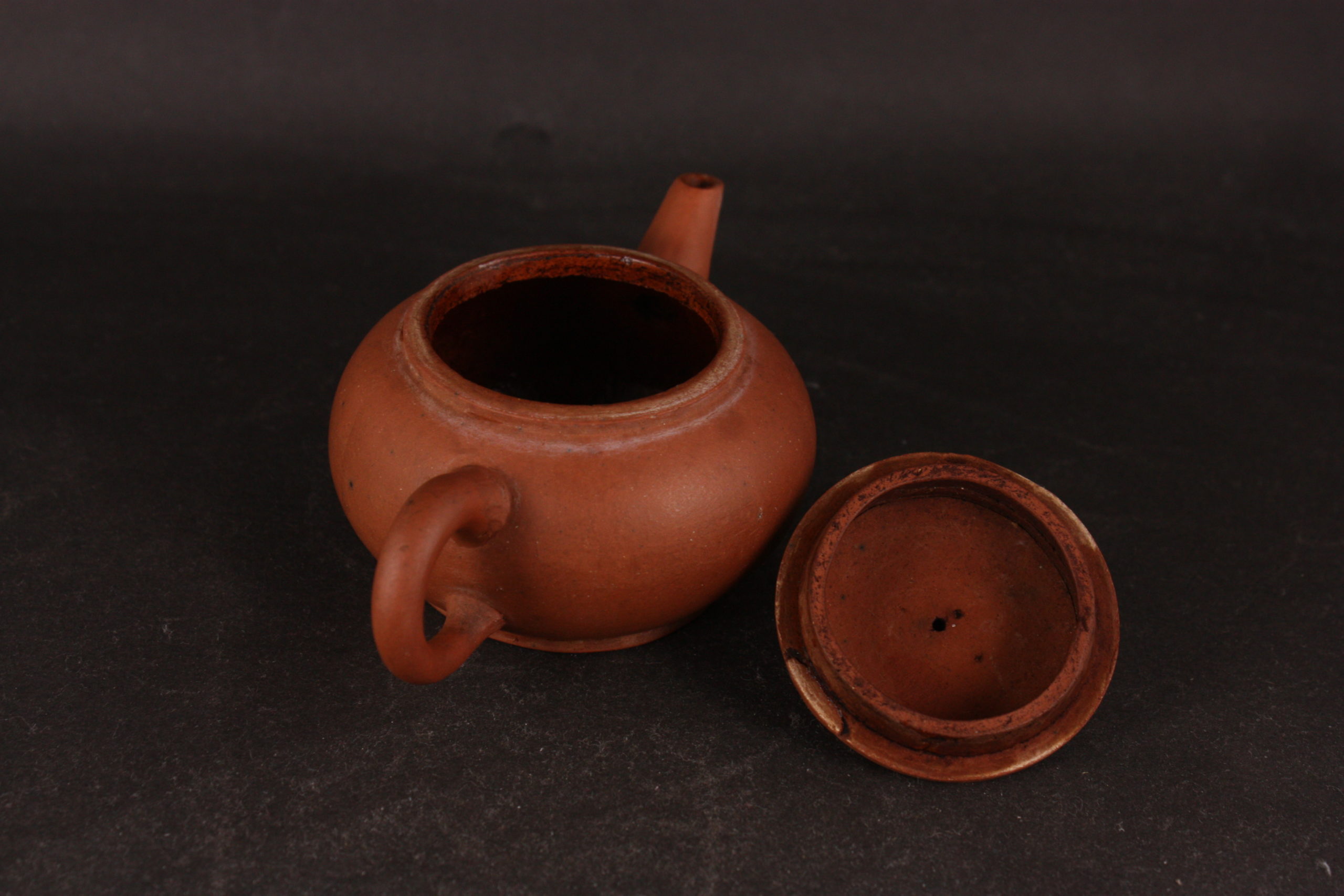
The walls of this pot is quite thin, and it is a nice build. It’s slightly large for one person use, but I think its shape and size works well for oolongs. A Taiwanese oolong should do quite well in it, and I am quite excited to try it out.

 photo IMG_8272.jpg

There are little problems – like the little chip in the base that you see here. Can’t complain though, as perfect condition ones these days are astronomical in price. These days Chinese buyers are hoovering up everything, from pots to tea to supporting teaware. It’s getting harder and harder to buy things now, and until the China bubble bursts (if it ever does) I think high prices are here to stay.

What’s in Yixing clay?

So, what’s in Yixing clay anyway?

Last year I got in touch with Professor NH Cheung of the Department of Physics of Hong Kong Baptist University, because they have this technique that they have been using to do spectroscopy on various things – forensic analysis on ink toners, for example, among others. They can use it to figure out what elements are present in any given substance without causing damage to the material itself. Well, what better than this to test if Yixing clay has lead or not? After all, that’s what everyone’s worried about, it seems, and this method seems infinitely better than the rather dodgy lead test kits that you can buy. So we got in touch, and Professor Cheung’s PhD student (soon to be Dr) Bruno Cai conducted the tests. You can read the full report here: 2012.12.31 Report of PLEAF analysis on yixing tea pots-1

I asked them to take samples from both the lid and the base of the pot, so as to get a more general sense of whether there are differences. I also gave them two pots – identical ones from, presumably, the same batch, which are here listed as “sample 1 and sample 2″. I thought it might be interesting to test to see if they share similar characteristics. In case you’re wondering, they’re the same as these ones:

Photobucket

The quick summary is – no lead (Pb). Among the elements present are: Aluminium, Calcium, Iron, Magnesium, Silicon, and Titanium. We don’t know in what quantity they are there, but that’s a start.

We might try to do more tests on different pots. They have also done tests on yixing ware previously – some reddish yixing cups, to be precise. The signatures are a bit different. This could get interesting.

An international pot

Photobucket

The potter Petr Novak has been making teaware for a while now, and offering them to us who are interested in something a little different. A while back, I bought a shiboridashi, which is a style of Japanese kyusu that looks a bit like a gaiwan with a spout, from him, intending it to be a gift. I haven’t gifted it yet, and am not sure if I want to. The pains of a hoarder.

Yesterday I got the above pot in the mail, one of the last of the Yixing pots in Czech Republic series, I believe. I found the experiment fascinating, and right up my alley of the kind of things I’d like, so I asked if I can get my hands on one. Here it is.

Photobucket

Photobucket

Photobucket

Photobucket

The pot is shiny. It’s much shinier than your usual yixing pot, which in my unqualified, ignorant view of pottery is probably attributable to higher temperatures. The surface of the pot is not quite smooth – it feels slightly sticky, actually. The clay inside the pot looks visibly different from the outside, which I guess is because of the firing process and the difference in temperature, or something along those lines. The same can be said of the base of the pot, which doesn’t have the same colours or texture as the body, and is closer to what’s on the interior. The grains of the clay are larger than what you normally see on Yixing clay these days, but then again, these days they’re so fine I actually don’t like them.

I haven’t had a chance to try these yet with tea, but this should be pretty interesting!

Ugly, dirty ducklings

Or are they old ducks?

I love ugly pots. If you’re generous, you can call them rustic. Less generous souls will call them poorly potted, with bad craftsmanship and bad form. Either way, I love them.

Photobucket

Buying pots like these though entails some risks and problems. The most annoying and difficult to deal with are dirty pots. There are two kinds of dirts that you can encounter. The first is easy – just tea and other sundry dirt that can be easily cleaned. Then there’s another kind of dirt which is extremely difficult to clean. They appear as a sticky substance that clings strongly to the pot’s inner surface (always inner, never outer). Then on top, there’s often a white, limescale like substance. It’s nearly impossible to remove, with vigorous scrubbing necessary.

With bigger pots, scrubbing is at least possible. With small pots though, that’s really, really difficult. Both of these pots are infected with this unique brand of substance.

Photobucket

Photobucket

Photobucket

Photobucket

Keep in mind what you see here is already after three cleaning attempts – I’ve already removed a lot of the residue, but much remains. I honestly don’t know how anyone or anything can get that dirty. The spotted pot, especially, is puzzling. It’s part of a pair. The other pot in the pair is in great shape – stained, but doesn’t have this white stuff. This one, however, is covered in it.

I have some inkling of what this might be. I think water does eventually leave some residue in a pot. For example, my most often used young puerh pot has some of this white stuff too after years of use.

Photobucket

But it should really come with dark tea stains, like this

Photobucket

Not some sticky substance that clings tenaciously to the clay. Sigh, I just wish I can find that perfect chemical that will melt this stuff away.

Essential teaware

Let’s say you need, at a very minimum, a kettle, a pot, and a cup. If we start with the kettle, you need at least something to heat the kettle with, and maybe different kettles for different purposes. Some people prefer electric water boilers that have temperature control settings, others opt for more fancy setups with charcoal burners and clay kettles, and still others fuss even about the type of charcoal they’re going to use for aesthetic purposes or some pseudo-practical reasons. Still others think it is imperative to buy, say, a clay kettle, a tetsubin, maybe a silver kettle, and a number of heating mechanisms to match. Kettles are pretty simple, so there isn’t a lot of variables there, and I think we have exhausted most of the possibility and the baseline of what might be considered essential.

Then you move on to the pot. Here’s where it gets complicated. Obviously, as everyone surely knows, you can only ever use one kind of tea per pot, otherwise the apocalypse will hit and humanity will end. So, for every kind of tea you drink, you need a different yixing pot. That will easily end you up with a dozen or more pots, one for green, light oolong, dark oolong, aged oolong, raw puerh, aged puerh, cooked puerh, maybe subdividing the oolongs into different regions, and reserving a few of different sizes for the times when you have guests. Some will most certainly tell you that certain kinds of clay are only good for certain kinds of tea, or better yet, that having different clays brew the same tea will provide different results. If you’re serious, then, you need more than one per tea type.

You also clearly need a gaiwan, since without it you cannot possibly test out teas in a neutral way, so you need at least one, maybe multiple, of those. If you’re serious, you may also need a cupping set, or three. Likewise, if you want to drink sencha, a kyusu with a yuzamashi and some yunomis are indispensible. Or if you want to have any matcha, then you need a chasen, a chashaku, at least one chawan, a natsume, a sieve, and a chakin. You also need a decent kama, probably with a matching furo, if you want to play seriously. Now, so far we’ve only covered Chinese and Japanese teas. If you want to, say, do an English tea service, well, the list goes on and on.

Of course, we haven’t even gotten to cups yet, not really anyway. There are many, many theories out there on cups, but everyone who has ever done one of those taste comparison test will almost always tell you that different cups will make things taste different. A general rule of thumb I have encountered is that smaller cups are for oolongs, bigger, wider cups for puerh, but then you need to consider issues such as the thickness of the cup, the glaze, which affects the cup’s tactile feel on your mouth and possibly the tea, as well as the shape and curvature, which will influence how the tea flows to different parts of the mouth. If you are into smelling, you need a wenxiangbei to go along with that. Cups that are naked without chatakus, however, look funny, so you need those too.

Now we’re getting into the territory of accessories that are necessary, and the list here can only grow ever longer. For example, how can anyone make any tea without the aid of the toolsets that you see selling in Chinatowns everywhere for $14.99? Or, for that matter, what can you do without that tea tray of yours that holds all of your waste water? You also need a fairness cup, which will help you dispense the tea, especially if you have a lot of guests and you want to get your tea to them in a reasonable manner. Pouring each cup individually directly from the pot, unless you’re doing a traditional gongfu style pouring which is uninterrupted by lifting and moving, is going to be disastrous. So you need one of those chaozhou trays as well in additional to your regular tray. If you’re one of those people who are into setting up endless arrays of similar looking but slightly different tea settings (chaxi) then you clearly need many variations of teawares that do the same thing, otherwise it gets boring very fast. You may also find it essential to have items to hold the dry leaves, to showcase the dry leaves, etc

We haven’t even talked about implements that store leaves, or store water, or store teaware. But I think you get my point. After all, instead of having all that stuff, you can just do this

Photobucket

As I’ve mentioned long ago, teaware is probably the last thing you should be spending money on, given limited budgets, in terms of how much it can improve your tea. Once you’ve moved past the basics, such as getting a proper gaiwan or a yixing pot or some such, additional money spent on teaware is almost always a waste, if your goal is a better cup of tea. Now, of course, there are other reasons why one might want to buy teaware, as I know full well. However, don’t ever let anyone tell you that any piece of tea equipment is essential – it’s not. For example, I use a toothpick to clear my spouts when they’re stuck. I find those to be far, far more effective AND safe for my pots than the implements that come in those teasets and will damage your pot. I also rarely use many of the pots that I own. Sometimes, less is really more.

Patina

There’s something about slowly using a yixing pot, and the accumulation of a patina after extensive use. I bought a group of five shuipings recently at a local shop, and have only been using one. After using it for no more than six or seven times, the one I use already looks different from the rest – its colour has changed a bit, and the surface seems smoother.

Photobucket

It’s not obvious – given the lighting and the inherent limitations of my poor photographic skills – that they’re all that different. The one on the left, however, is the one I’ve been using, while the one on the right has never seen any tea. I suspect at least initially, what happens is that the initial seasoning and usage of the pot washes away much of the residue of manufacturing. Also, some of the particles that may be attached to the surface loosely are also removed after having water poured all over the body of the pot. After a while, you have the patina building up, so much so that it forms a distinct surface on the pot itself.

Then there is the natural staining that happens over time, and which is hard to replicate otherwise. Fake pot dealers will normally try to mimic this by using all kinds of stuff – soy sauce, ink, or shoe polish. None quite work and will always look fake, lacking the natural lustre of tea. My lion pot, for example, was really dirty when I bought it. I cleaned it. Then, after a few years of use, it is now dirtier again – but at least this time I know it has been soiled by nothing other than tea stains.

Photobucket

Photobucket

Photobucket

Photobucket

I don’t really believe in spending too much time polishing my pots or rubbing them much – I just let the patina show up naturally, through use. I don’t even pour much tea at all on my pots. Eventually, with use, the pots will start to change and age. That’s part of the fun of using yixing pots, and with pictures, you can really see the changes that take place over time.

Broken to the core

Photobucket

Photobucket

This is a nice pot. Alas, it’s not one I can use.

Photobucket

Wudesheng was a yixing workshop that produced pots during the Republican period, and it was shut down after WW2 began. The seal used here probably dates it to the 20s, before they switched to the more famous “Jinding shangbiao” (Golden Tripod Brand) seals.

I bought it as a reference piece – to learn about different clays, and to see its construction. The clay is “muddy”, almost. You can see how the clay used to be a paste-like substance. Somebody, at some point, broke it – maybe because it had a few air bubbles and just cracked, maybe because it was slammed on a surface and just shattered, I don’t know. What I do know is that it is now very fragile, held together by the top part of the pot which is still, miraculously, staying together, even though the skin of the pot is very thin. I suspect that if I want to get it repaired, it has to be thoroughly broken first before it can be repaired, but given its very thin-skinned nature, I fear that once destroyed, it’s not going to stay in its shape at all and instead revert to pieces of clay. The lid, on the other hand, is intact. Perhaps one of these days, if I ever run into a julunzhu without a lid, I can use this one.

Loot from Kyoto

Kyoto is really a lovely town, and is one of my favourite places on the planet. They are filled with tourists, yes, and they live, more or less, off the tourists, but it is because of their charm that cities like Kyoto or Venice really are able to preserve at least some of their flavour that most other places have thoroughly lost – even the old districts of Beijing are slowly dying, because of the lack of preservation and the encroachment of new economic developments, which have spawned massive, unlivable blocks of monumental buildings instead of the very human-scaled neighbourhoods that used to characterize the city. Kyoto, thankfully, has mostly maintained that.

As you can probably guess, I just made a trip to Japan for the past few days, and tried, at least a little bit, to work some tea related activities in there among all the sightseeing. It started, in a certain sense, right after I got off the plane and onto the train from the Chubu airport – Tokoname (yes, that Tokoname) is, unbeknownst to me, right across the water from the airport and was the first stop of the train.

Photobucket

I must admit to having neither interest nor time in getting off the train to see the kilns, but next time, I guess I’ll know where to go.

It was cherry blossom season, although after an unusually cold winter and a freak windstorm the day before I arrived, most of the trees weren’t blooming yet, although some were. There are actually more cherry blossom trees in places like Vancouver, where they pretty much line every street and the city turns into a sea of pink during spring, but it doesn’t have temples like these.

Photobucket

I did stop by a few tea places, one of which is Ippodo, which I understand lots of folks like to buy tea from online.

Photobucket

They have a shop, and a cafe on the side of the shop (enter through main door). Here’s the menu:
Photobucket

I was traveling with companions, and so I got to try more than one thing. There was a spring special (not seen here) menu as well. I had the Nodoka matcha from that menu, and someone else had the organic sencha. They seem to have an A and B version, but since A is sold out, I presume I tried the B. The organic sencha is very good, with a deep, robust taste and solid mouthfeel. Anyone who’s read this blog with any regularity knows I’m not exactly a sencha fan, so for me to like a sencha is indeed a pretty rare thing. I didn’t buy any though, since I know if I bought any I wouldn’t finish most of it in time for them to be fresh – stale sencha is really not my cup of tea.

Kyoto also has a lot of antique shops scattered around, and Teramachi, where Ippodo is located, has a number of them. I ended up taking home a Republican era pot for a reasonable sum of money. Later in the day, I also found the perfect coaster for pots, made of rattan, in a random teaware shop that has been around since 1870 that I ran into near Daitokuji, which itself is, in my opinion anyway, a must-see site of Kyoto, although one could say that about many of the sites in the city.

Photobucket

Photobucket

Photobucket

The rattan coaster, in particular, is something I’ve been seeking for a while now. Those things are hard to find. It’s probably only in places like Kyoto where you can run into a 140 years old shop selling high quality teaware while randomly strolling along an otherwise nondescript street. There was, alas, no time for more extensive tea or teaware shopping this trip, as I was on a pretty tight schedule. It would’ve been nice, for example, to see Uji again, but that will have to wait till another day.

I also stopped by Osaka, which offers no such luck in finding items. Metropolis though it is, the antique shops located in the Oimatsu area are extremely disappointing – only two offers any kind of collection of teaware. One was mostly junk, the other being extremely overpriced. Kyoto, it seems, is hard to beat, and I’ll have to go back there for some more sooner rather than later.

Tuition pots

Everyone love posting about things that they bought, especially when they are interesting, a bargain, or great in some way. I’m guilty of the same, but I also think that some of your lesser purchases, especially wrong purchases, are at least as instructive as the great ones. After all, if you don’t know what’s bad, you can’t tell what’s good. One who only drinks 30 years aged puerh cannot know what is great about it until they’ve tried faked 30 years aged puerh.

So in that spirit, I present you a few duds that I have purchased over the years. These are generally failed gambles on eBay and other such sites. For everyone that is a win, there is at least one that is not.

Photobucket

These three pots, I think, represent three types of fake pots that you can find. Now, a general rule of thumb – the point of faking a pot is to either make it look old, or to make it look like a famous maker made it. Here, I am mostly concerned with the first type, because the second type is everywhere, and even seasoned collectors I know cannot tell the difference – a perfectly made pot bearing the perfect replica of a famous master’s seal is going to be pretty difficult to tell. A yixing dealer in Taipei told me that she can sort of tell, but all kinds of funny business happens to make the whole process rather haphazard. Old masters might disavow earlier works (either to prop up the value of newer works, or because they don’t like the old ones) and brothers, cousins, and what not often borrow the famous maker’s seals and even clay to create their own pots, but sold under the famous maker’s name. That type of forgery is not what I’m talking about here.

The first I want to talk about is the metal looking thing. First, a closeup


Photobucket

Now, this is trying to pretend like it’s a pewter-wrapped teapot. Those things have clay on the inside and a layer of pewter on the outside, with calligraphy and painting carved into the body of the pewter, which is soft and easy to work. The real McCoy costs at least a few hundred USD, at a minimum, and have nephrite jade handles and spouts. In other words, great if you can fake it right.

These things, however, are not that. Instead, what they are, as far as I can tell, are plastic handle and spouts that, from a distance (especially in a picture) are difficult to tell apart from a jade. Also, the body’s metallic sheen is probably from a thin layer of aluminium foil, wrapped around the clay body of the pot. One key difference is that the bottom of the faked pots generally display naked clay, whereas the bottom of the real pewter pots have a layer of pewter at the base of the pot.

Photobucket

Also, you can see that the “carving” is not really on the “metal” but is rather wrapped under it, at least if you look carefully. I did a casual search on eBay and I found at least three or four of these, some of which have bids from buyers who, I’d imagine, are falling for the trick.

The second type here is the famous, or infamous, shoe polish pot. They don’t necessarily have to be shoe polish. It can, in fact, be anything, as long as it’s black and oily. The point of the shoe polish is to make the pot look dark and old and used. Except that old, used pots that are dirty don’t look like that. They look like this.

One of the most obvious signs of shoe polish is when you see black streaks. Notice that over the body of the pot, the black is not even, and that they appear streaky when examined closely.

Photobucket

Also, if you can examine it in person, you’ll feel that the surface of the pot is somewhat sticky. That’s a sure sign of something else other than natural dirt. It also is impervious to bleaching, as I tried yesterday to test it out.Organic compounds left behind by natural tea drinking will wash away very easily when you bleach the pot.

Also, if you can see the interior, you’ll see obvious problems.

Photobucket

That’s right, the pot is pristine inside, while super black outside. Nuff said. This particular pot seems to have been made with some kind of clay on a wheel, as you can see evidence of it having been thrown on some pottery wheel. The clay is much lighter in colour than yixing clay – probably shantou or some such. Somebody even bothered to put a seal at the bottom of the pot, which, of course, is pointless. Funny enough, the seal is sideways.

Photobucket

The last I want to show you is sort of the reverse of the above. In this case, the interior of the pot has been deliberately dirtied-up to make it look old. The surface of the pot has this weird white stain that won’t come off. Inside, you can see residue of some yellow gunk, something that looks like dirt, and some remnants of what might be tea leaves. It smells funny too.

Photobucket

The pot is also ginormous, and is completely useless. It comes with the fake seal of Gu Jingzhou, one of the greatest yixing masters of the 20th century.

Photobucket

Pots like this one are ALL OVER eBay. Don’t even try buying them. I can imagine if this pot were to have no surface issues and clean inside, it might actually fetch an ok price – not exactly masters price, as 99% of the Gu Jingzhou on the market are fakes, but it’ll at least be, possibly, a usable pot. Now, it’s just a worthless piece of junk.

This is the last problem with tuition pots – not only did they cost you money (not too much in any of these cases, thankfully), they also eat up space, and become a sort of albatross. I can’t give it away, or sell it. I suppose you could give it to places like Goodwill, although even that seems rather evil. You could just throw it away, which I’ve thought about doing. Right now, I’m considering using them as practice pieces for gluing – I need to repair something, and to get the best results, I should probably practice how to glue things together first. Breaking these apart, then gluing them up, might be the best use these pots have seen since their creation.

Made during the Ming

Photobucket

“Made during the Ming, a pair of hat-lidded teapots, treasured items”. These are not my words – they’re the words of Sato Kian, who was a mid 19th century artist in Japan and whose inscription graces the front of this box and whose signature and seal are on the back.

Photobucket

Inside are two little things that are most interesting.

Photobucket

Things like this can be a little hard to use, and I haven’t quite given it any thought what I’ll do with them. The “hat-lidded” reference sort of makes sense – the lids are on top of the pot, much like a hat, rather than fitting completely over an opening or some such. They have “overhangs” that go over the top and wrap around the body, and the spout is a very cute, classic three point spout.

Photobucket

Are they really Ming? I can’t say for sure. Are they old? Yes. They’re not going to be as functional as, say, a new shuiping that you can find easily in a store and pours flawlessly, but as you’ve heard many times before, I like these quirky pots. These are no different.